Q&A: Dawna Ballard talks redesigning time in, ‘Time by Design’
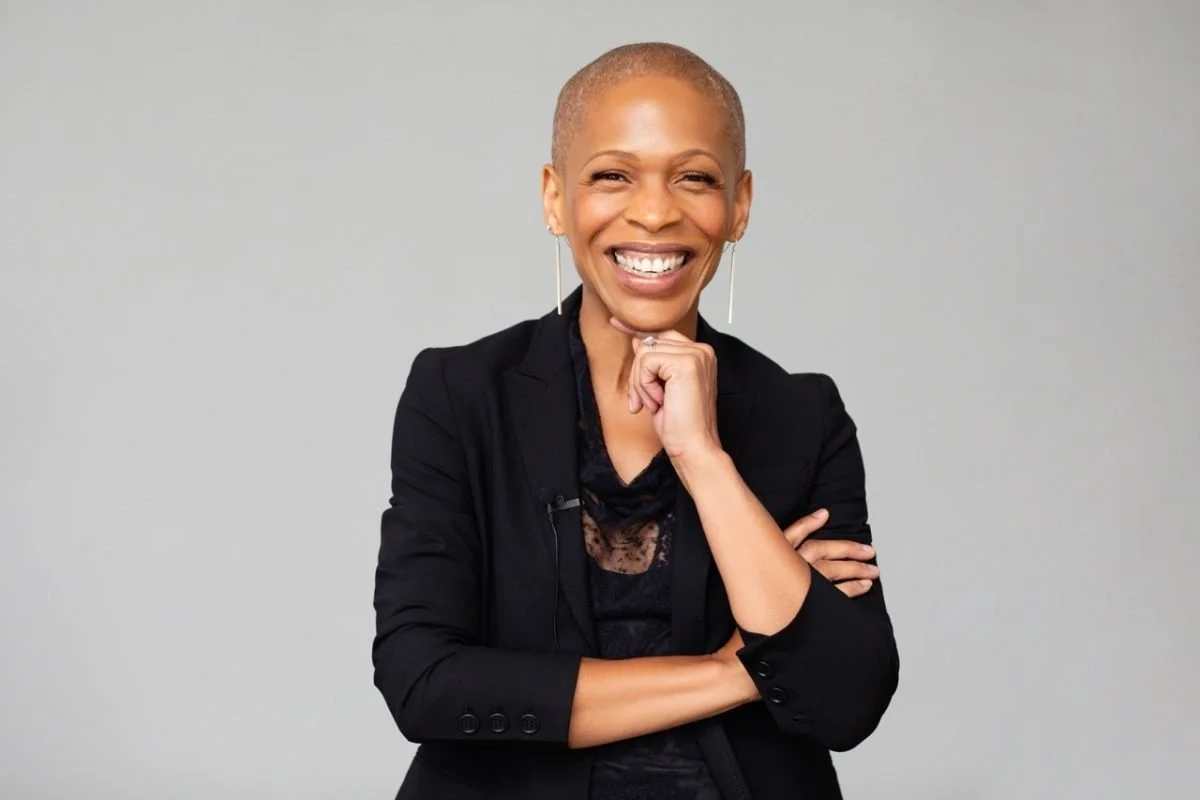
Courtesy of Dawna Ballard
In her newest book, “Time by Design,” Dawna Ballard, associate professor of organizational communication and technology, redefines productivity, showing how people can intentionally shape time through communication. Exploring how teams and organizations “communicate slow to go fast,” Ballard uncovers the link between time, connection and true efficiency. The Daily Texan sat down with Ballard to discuss her research and what it means to effectively design time.
The Daily Texan: Time by Design challenges the conventional idea that speed is simply about time management. What inspired you to rethink that relationship between time and communication?
Dawna Ballard: My entire career has been about rethinking that relationship. For quite some time, I’ve always conceptualized (the idea of speed) as dependent on one thing and (wondered) what’s the time scale that (we) think of.
DT: You distinguish between fast and slow communication. How did you kind of identify those two logics, and how do they look in practice?
DB: (People who use fast) communication (use it) as transactional, it’s always about “what (can I) get out of this interaction.” (They look) at, usually, one frame of interaction, “what do I need right now?” (They see) time and interaction as completely linear, that the more time I spend with you, it’s taken away time (for) something else … it’s not that slow doesn’t allow you to do things quickly, but you see the speed differently, you see that, actually, time and interaction is non-linear, meaning that it’s not as simple as I spend time with (someone) so that’s taking time away from something else, but that the time I spend with (someone) can lead over time to a long term relationship.
DT: How do you see slow communication being misunderstood and undervalued in our current fast-paced culture that we have?
Ballard: There’s a misunderstanding that to go slow takes more time. … Slow does not mean that it takes more time, it means that you start off differently. It means that you start off asking about a non-task-related topic, like how the person’s week has been, or that you offer (some) sort of nonverbal support.
DT: How has writing this book changed your own relationship with time, whether it’s professionally or personally?
Ballard: I would say that I see examples of slow (communication) everywhere. … From the time we are children, people are telling us to slow down in order to go fast. I had not realized that until I was writing the book and completing it, that this wasn’t new at all, that it was like the oldest wisdom.
DT: Why do you think it’s important for college students to practice communicating slowly?
Ballard: You will never have another opportunity to go at your own pace. You have so much agency over your day-to-day structure of your life. … Think of college as the foundation for the rest of your professional life, in terms of how you use time … I didn’t get it until I was a professor. It’s been a long, long time for me to see the truth of this and what it offers you, which is greater effectiveness, greater joy. If you go fast, there will never be a chance to go slow, you’re going to be addicted to fast, because you’re always going to see the next thing and the next thing and the next thing.
This article was written for The Daily Texan the official newspaper of The University of Texas at Austin
